
Maintaining an anti-corrosive pump is crucial for its longevity and efficient performance, especially when dealing with corrosive fluids in various industrial applications. As a trusted Anti Corrosive Pump supplier, I understand the significance of proper maintenance and am here to share some valuable insights.
Understanding the Basics of Anti-Corrosive Pumps
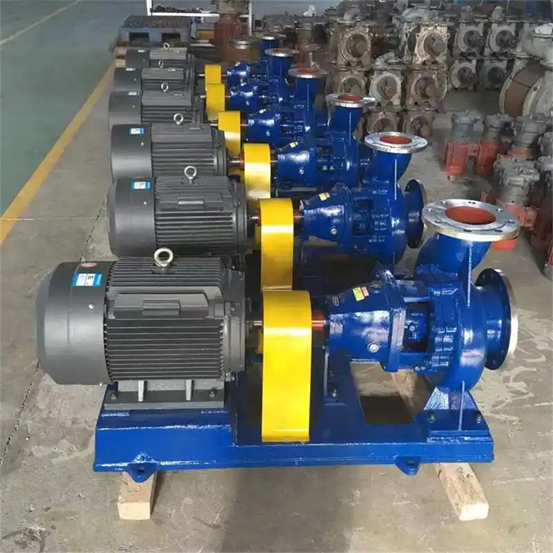
Anti-corrosive pumps are designed to handle fluids that can cause corrosion to regular pumps. These pumps are constructed using materials that are resistant to the corrosive effects of chemicals, acids, and other harsh substances. Some common materials used in anti-corrosive pumps include stainless steel, polypropylene, and fluoropolymers.
Before diving into maintenance, it's essential to have a clear understanding of the type of anti-corrosive pump you have. Different pumps have different specifications and requirements based on their design, material, and intended application. For instance, an Anti Corrosive Pump used in a chemical processing plant may have different maintenance needs compared to one used in a wastewater treatment facility.
Regular Inspection
Regular inspection is the first step in maintaining an anti-corrosive pump. This involves visually examining the pump for any signs of damage, wear, or corrosion. Check the pump casing, impeller, seals, and other components for cracks, leaks, or pitting. Pay special attention to areas where the fluid comes into contact with the pump parts, as these are more susceptible to corrosion.
Inspect the pump's mounting and alignment. Misalignment can cause excessive vibration, which can lead to premature wear and damage to the pump. Use a laser alignment tool or other appropriate methods to ensure that the pump is properly aligned with the motor.
Check the electrical connections of the pump. Loose or corroded connections can cause electrical problems, such as overheating or short circuits. Make sure all connections are tight and free from corrosion. Clean the connections if necessary and apply a suitable electrical contact cleaner to prevent future corrosion.
Fluid Analysis
The fluid being pumped can have a significant impact on the performance and lifespan of the anti-corrosive pump. Conduct regular fluid analysis to monitor the properties of the fluid, such as pH, temperature, viscosity, and chemical composition. Changes in these properties can indicate potential problems, such as corrosion, scaling, or the presence of contaminants.
If the fluid's properties deviate from the recommended range, take appropriate measures to correct the situation. For example, if the pH of the fluid is too low or too high, adjust it using appropriate chemicals. If the fluid contains contaminants, install a filtration system to remove them.
In addition to regular analysis, keep a record of the fluid properties over time. This can help you identify trends and predict potential problems before they occur. By monitoring the fluid, you can ensure that the pump is operating under optimal conditions and prevent costly breakdowns.
Lubrication
Proper lubrication is essential for the smooth operation of the anti-corrosive pump. Lubricate the pump's bearings, seals, and other moving parts according to the manufacturer's recommendations. Use a high-quality lubricant that is compatible with the pump's materials and the fluid being pumped.
Over-lubrication can be just as harmful as under-lubrication. Too much lubricant can cause the pump to overheat and can also attract dirt and contaminants. Follow the recommended lubrication intervals and use the correct amount of lubricant.
Inspect the lubricant regularly for signs of contamination or degradation. If the lubricant appears dirty or has a strange odor, replace it immediately. Contaminated lubricant can cause increased friction and wear, leading to premature failure of the pump components.
Seal Maintenance
The seals of an anti-corrosive pump play a critical role in preventing fluid leakage and protecting the pump's internal components from corrosion. Inspect the seals regularly for signs of wear, damage, or leakage. Replace the seals if they are worn out or damaged.
When replacing the seals, make sure to use the correct type and size of seals recommended by the pump manufacturer. Improperly installed or incompatible seals can cause leakage and other problems. Follow the manufacturer's instructions carefully when installing the seals to ensure a proper fit.
Some seals may require periodic adjustment or tightening. Check the seal gland or packing regularly and adjust it as needed to maintain the proper seal. However, be careful not to overtighten the seals, as this can cause excessive friction and wear.
Impeller Maintenance
The impeller is one of the most important components of an anti-corrosive pump. It is responsible for creating the flow and pressure of the fluid being pumped. Inspect the impeller regularly for signs of wear, damage, or corrosion. If the impeller is worn out or damaged, it can affect the pump's performance and efficiency.
Clean the impeller periodically to remove any debris or buildup that may have accumulated on its surface. Use a soft brush or other appropriate tools to clean the impeller gently. Avoid using abrasive materials that can scratch the impeller and cause damage.
If the impeller is severely damaged or corroded, it may need to be replaced. When replacing the impeller, make sure to use a high-quality replacement part that is compatible with the pump. Follow the manufacturer's instructions for installing the impeller to ensure proper alignment and performance.
Preventive Maintenance Schedule
Develop a preventive maintenance schedule for the anti-corrosive pump based on the manufacturer's recommendations and the specific operating conditions of the pump. A preventive maintenance schedule helps ensure that all necessary maintenance tasks are performed regularly and on time.
Include tasks such as inspection, fluid analysis, lubrication, seal replacement, and impeller cleaning in the maintenance schedule. Set specific intervals for each task based on the pump's usage, the type of fluid being pumped, and other factors.
Keep a record of all maintenance activities, including the date, time, tasks performed, and any observations or findings. This record can be used to track the pump's maintenance history, identify trends, and plan future maintenance.

Troubleshooting
Despite proper maintenance, anti-corrosive pumps may still experience problems from time to time. Some common problems include reduced flow rate, increased power consumption, excessive vibration, and leakage. When troubleshooting a pump problem, start by checking the obvious things, such as the power supply, fluid level, and valve settings.
If the problem persists, refer to the pump's troubleshooting guide or contact the manufacturer's technical support team for assistance. They can provide more detailed instructions and advice on how to diagnose and fix the problem.
In some cases, it may be necessary to disassemble the pump to inspect the internal components. If you are not experienced in pump disassembly and repair, it is recommended to have a qualified technician perform the work.
Comparison with Other Pumps
In the market, there are also other types of pumps like Mining Submersible Pump and Acid Resistant Pump. While mining submersible pumps are designed for use in mining applications where they need to operate underwater and handle abrasive materials, acid-resistant pumps are specifically engineered to resist the corrosive effects of acids.
Compared to these pumps, anti-corrosive pumps are more versatile as they can handle a wide range of corrosive fluids in different industries. However, the maintenance requirements for each type of pump may vary. For example, mining submersible pumps may require more frequent inspection of the motor and cable due to the harsh underwater environment, while acid-resistant pumps may need more attention to the chemical compatibility of the materials with the acid being pumped.
Conclusion
Maintaining an anti-corrosive pump is a complex but essential task that requires careful attention to detail and regular maintenance. By following the tips and guidelines outlined in this blog, you can ensure that your anti-corrosive pump operates efficiently and reliably for many years to come.
As a leading Anti Corrosive Pump supplier, we are committed to providing high-quality pumps and comprehensive support to our customers. If you have any questions about anti-corrosive pump maintenance or if you are interested in purchasing a new pump, please feel free to contact us. We will be happy to assist you with your needs and help you find the best solution for your application.
References
- Pump Handbook, by Igor J. Karassik, Joseph P. Messina, Paul Cooper, Charles C. Heald
- Chemical Engineering Handbook, by Perry and Green
- Maintenance and Troubleshooting of Industrial Pumps, by various industry experts