
Axial propeller pumps are a crucial part of many industrial and agricultural operations. As a supplier of these pumps, I often get asked about the discharge pressure of axial propeller pumps. So, let's dive into what that is and why it matters.
First off, what exactly is discharge pressure? In simple terms, it's the pressure at which a pump pushes the fluid out of its outlet. For an axial propeller pump, this pressure is determined by several factors.
One of the main factors is the design of the pump itself. Axial propeller pumps work by using a propeller - like impeller to move fluid axially. The shape, size, and pitch of the impeller blades play a huge role in determining the discharge pressure. A pump with larger blades or a steeper blade pitch can typically generate more pressure because it can move more fluid with each rotation.

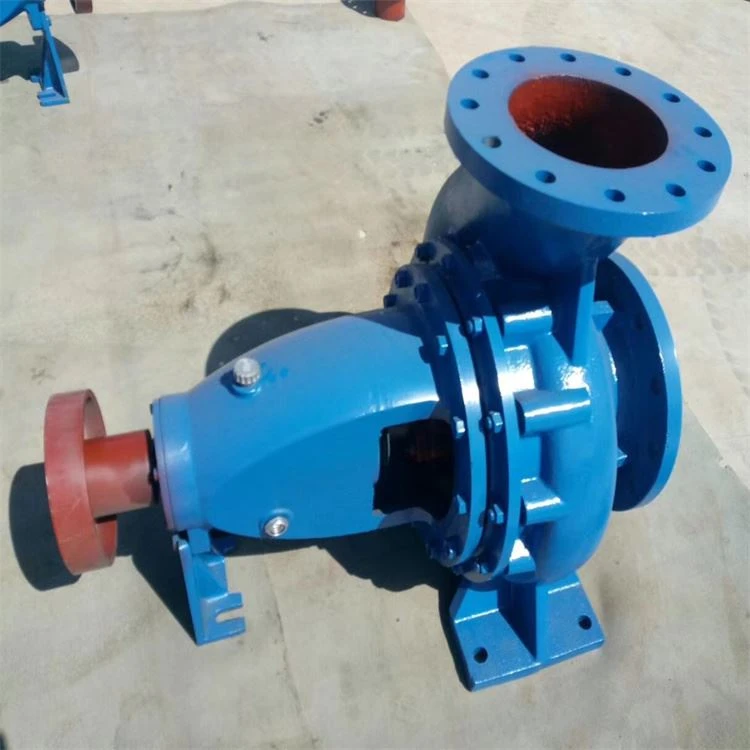
Another factor is the rotational speed of the impeller. The faster the impeller spins, the more force it can apply to the fluid, increasing the discharge pressure. However, there are limits to how fast the impeller can spin. Going too fast can cause issues like cavitation, which is when bubbles form in the fluid due to low pressure and then collapse, causing damage to the pump components.
The characteristics of the fluid being pumped also affect the discharge pressure. For example, if the fluid is very viscous, like thick oil, it will be harder for the pump to move it, and the discharge pressure will need to be higher. On the other hand, a less viscous fluid, such as water, will be easier to pump, and the required discharge pressure will be lower.
Now, let's talk about some practical applications. In irrigation systems, axial propeller pumps are commonly used. The discharge pressure needs to be sufficient to push the water through the pipes and distribute it evenly over the fields. If the pressure is too low, the water won't reach all the areas it needs to, and irrigation will be ineffective. Irrigation Well Pump is another option in related applications that you might want to consider.
In wastewater treatment plants, axial propeller pumps are used to move large volumes of water and wastewater. The discharge pressure needs to be high enough to move the wastewater through the treatment processes efficiently. If the pressure is too low, the flow rate will be slow, and the treatment process will take longer.
When it comes to industrial applications, axial propeller pumps are used in various processes where a large volume of fluid needs to be moved. For example, in chemical plants, they can be used to transfer chemicals between different tanks or processing units. The discharge pressure must be carefully controlled to ensure the safe and efficient transfer of these chemicals.
If you're dealing with clean - water transfer, a Self Priming Centrifugal Water Pump could be an alternative option. It has its own unique features and may be more suitable for some specific clean - water transfer tasks.
For applications involving the mixing of slurries, a Slurry Mixing Pump is a great choice. These pumps are designed to handle the abrasive nature of slurries and ensure proper mixing with an appropriate discharge pressure.
As a supplier of axial propeller pumps, I understand the importance of getting the right discharge pressure for your specific needs. We offer a wide range of pumps with different impeller designs, rotational speeds, and capacities to meet various requirements. Whether you're in agriculture, wastewater treatment, or industrial manufacturing, we can help you find the perfect pump for your application.
If you're interested in learning more about our axial propeller pumps or need help determining the right discharge pressure for your project, don't hesitate to reach out. We have a team of experts who are ready to assist you with all your pump - related questions. Contact us to start a discussion about your pump requirements and let's work together to find the best solution for you.
References
- "Pump Handbook" by Igor J. Karassik et al.
- Various industry - specific technical manuals on fluid pumping and handling.