
When it comes to sewage sludge pumps, one of the fundamental decisions users need to make is whether to choose a submersible or a non - submersible pump. As a seasoned sewage sludge pump supplier, I've had the opportunity to work closely with a wide range of clients, understanding their unique needs and helping them make the right choice. In this blog, I'll delve into the key differences between submersible and non - submersible sewage sludge pumps to assist you in making an informed decision.
Design and Structure
The most obvious difference between submersible and non - submersible sewage sludge pumps lies in their design. Submersible pumps are specifically engineered to be fully submerged in the sewage or sludge they are pumping. They are typically enclosed in a waterproof housing that protects the motor and other internal components from water damage. This design allows the pump to be placed directly in the sump or tank, eliminating the need for long suction pipes.
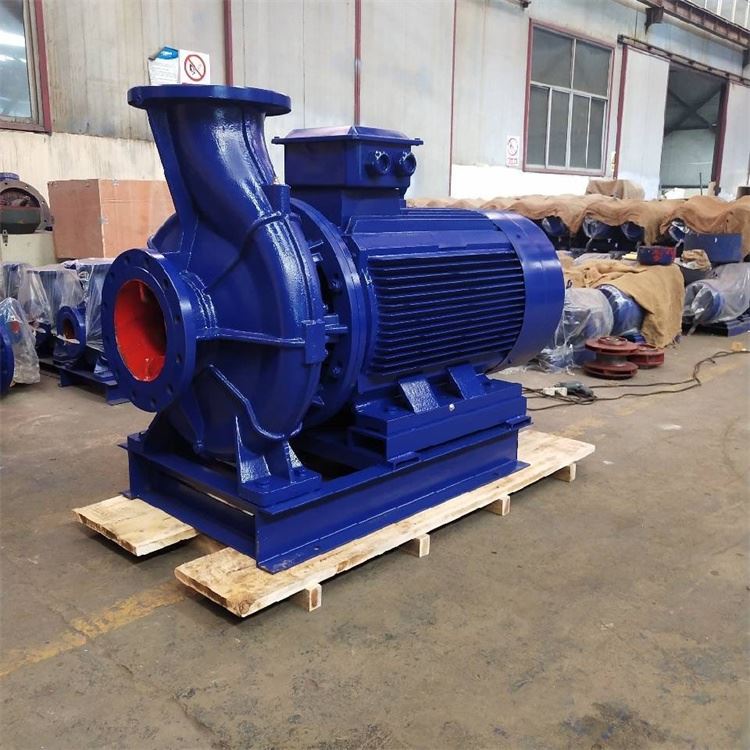
On the other hand, non - submersible pumps are installed above the liquid level. They rely on suction pipes to draw the sewage or sludge from the source. These pumps usually have a more complex installation process as they require a stable platform and proper alignment of the suction and discharge pipes.
Installation and Space Requirements
Submersible pumps offer a significant advantage in terms of installation. Since they can be directly placed in the sewage or sludge, the installation process is relatively straightforward. They take up less space as there is no need for a separate pump room or a large area for the pump and associated pipes. This makes them an ideal choice for applications where space is limited, such as small wastewater treatment plants or residential septic systems.
Non - submersible pumps, however, require more space for installation. They need to be mounted on a stable surface, and the suction and discharge pipes need to be properly routed. In addition, a pump room or a protected area is often necessary to shield the pump from the elements and prevent damage. This can be a drawback in situations where space is at a premium.
Efficiency and Performance
In terms of efficiency, submersible pumps generally have an edge. When submerged, the pump can use the surrounding liquid to cool the motor, which helps to maintain optimal operating temperatures and reduces the risk of overheating. This results in a more efficient and reliable performance over time. Moreover, the direct intake of the liquid eliminates the need to overcome the frictional losses associated with long suction pipes, leading to higher pumping efficiency.
Non - submersible pumps, while still capable of delivering high - performance, may experience some losses due to the suction process. The longer suction pipes can cause friction, which reduces the overall efficiency of the pump. Additionally, the need to prime the pump before operation can also add to the complexity and potential for inefficiencies.
Maintenance and Durability
Maintenance requirements for submersible and non - submersible pumps also differ. Submersible pumps are more challenging to access for maintenance as they are submerged. However, modern submersible pumps are designed with features such as self - cleaning mechanisms and corrosion - resistant materials to minimize maintenance needs. In some cases, the pump can be removed from the sump for servicing, but this still requires specialized equipment and expertise.
Non - submersible pumps are generally easier to access for maintenance. Since they are installed above the liquid level, technicians can easily inspect and repair the pump without the need to drain the sump or tank. However, the exposed components of non - submersible pumps are more susceptible to damage from the environment, such as dust, debris, and moisture, which may require more frequent maintenance and replacement of parts.

Cost Considerations
The initial cost of submersible pumps is often higher than that of non - submersible pumps. This is due to the more complex design and the need for waterproof housing and other specialized features. However, when considering the long - term costs, submersible pumps may prove to be more cost - effective. Their higher efficiency can result in lower energy consumption, and the reduced need for maintenance can save on labor and replacement parts costs.
Non - submersible pumps, with their lower initial cost, may seem like a more budget - friendly option at first. However, the additional installation costs, higher energy consumption, and more frequent maintenance requirements can add up over time, making them potentially more expensive in the long run.
Applications
Submersible pumps are well - suited for a variety of applications. They are commonly used in municipal wastewater treatment plants, industrial wastewater management, and residential septic systems. Their ability to handle high - solids content and operate in harsh environments makes them a popular choice for pumping sewage, sludge, and other viscous fluids. For example, in a large - scale industrial plant, a submersible pump can be used to transfer sludge from a settling tank to a dewatering unit.
Non - submersible pumps are often used in applications where the liquid needs to be pumped from a great distance or where the pump needs to be easily accessible for maintenance. They are commonly found in agricultural irrigation systems, water supply systems, and some industrial processes. For instance, in an agricultural setting, a non - submersible pump can be used to pump water from a well to irrigate fields.
Types of Pumps in Each Category
Within the submersible and non - submersible categories, there are various types of pumps available. For submersible pumps, you can find Progressive Cavity Slurry Pump, which is excellent for handling highly viscous and abrasive slurries. These pumps work on the principle of a rotating helical rotor within a stator, creating a series of cavities that move the fluid along.
Among non - submersible pumps, the Pneumatic Sludge Pump is a popular choice. It uses compressed air to create a pressure differential, which allows it to pump sludge and other fluids. Another type is the HW Single - stage Pump, which is known for its simplicity and reliability in transferring water and other liquids.
Conclusion
In conclusion, the choice between a submersible and a non - submersible sewage sludge pump depends on a variety of factors, including the specific application, space availability, budget, and maintenance requirements. Submersible pumps offer advantages in terms of installation, efficiency, and space utilization, while non - submersible pumps provide easier access for maintenance and are suitable for certain long - distance pumping applications.
As a sewage sludge pump supplier, I understand that every client has unique needs. Whether you're looking for a high - performance submersible pump for a wastewater treatment plant or a reliable non - submersible pump for an agricultural project, I'm here to help. If you have any questions or need assistance in selecting the right pump for your application, please don't hesitate to contact me. I'm committed to providing you with the best solutions and ensuring that your pumping needs are met effectively and efficiently.
References
- Pump Handbook, Karassik et al.
- Wastewater Engineering: Treatment and Reuse, Metcalf & Eddy.