
Hey there! As a supplier of Diesel Fuel Pump Truck, I've seen my fair share of issues with diesel fuel pumps in trucks. Figuring out what's wrong with a diesel fuel pump can be a real headache, but don't worry - I'm here to walk you through the process.
Understanding the Basics of a Diesel Fuel Pump
First things first, let's talk a bit about how a diesel fuel pump works. The diesel fuel pump is a crucial part of your truck's fuel system. Its main job is to deliver fuel from the tank to the engine at the right pressure and in the right amount. Without a properly functioning fuel pump, your engine won't run smoothly, or it might not run at all.
There are different types of diesel fuel pumps, like mechanical and electronic ones. Mechanical pumps are more common in older trucks and work based on the engine's movement. Electronic pumps, on the other hand, are controlled by the truck's computer system and can adjust the fuel delivery more precisely.
Signs of a Problem with the Diesel Fuel Pump
Now, let's look at some of the signs that might indicate there's a problem with your diesel fuel pump.
1. Hard Starting
If your truck is having a hard time starting, especially when it's cold, it could be a sign of a fuel pump issue. A failing fuel pump might not be able to build up enough pressure to deliver the fuel to the engine efficiently, making it difficult for the engine to start.
2. Loss of Power
Do you notice that your truck seems to have less power than usual, especially when you're trying to accelerate or climb a hill? This could be because the fuel pump isn't supplying enough fuel to the engine. Without the right amount of fuel, the engine can't generate as much power.
3. Engine Misfires
An engine misfire is when one or more cylinders in the engine don't fire properly. This can cause the engine to run rough, shake, or even stall. A faulty fuel pump might not be delivering the fuel evenly to all the cylinders, leading to misfires.
4. Poor Fuel Economy
If you're noticing that your truck is using more fuel than it used to, it could be due to a problem with the fuel pump. A malfunctioning fuel pump might be delivering too much or too little fuel to the engine, which can affect the combustion process and reduce fuel efficiency.
5. Surging or Jerky Acceleration
When you press the accelerator, your truck should accelerate smoothly. But if you feel a surging or jerky motion, it could be a sign that the fuel pump is having trouble maintaining a consistent fuel flow.
Diagnostic Steps
So, you've noticed one or more of these signs, and you suspect there's a problem with the diesel fuel pump. Here's what you can do to diagnose the issue.
1. Check the Fuel Pressure
The first step is to check the fuel pressure. You can use a fuel pressure gauge to measure the pressure at the fuel rail. The fuel pressure should be within the manufacturer's specified range. If the pressure is too low, it could indicate a problem with the fuel pump, a clogged fuel filter, or a leak in the fuel system. If the pressure is too high, it could be due to a faulty pressure regulator.
2. Inspect the Fuel Filter
A clogged fuel filter can restrict the flow of fuel to the pump, causing it to work harder and potentially fail. Remove the fuel filter and check it for any signs of dirt, debris, or damage. If the filter is clogged, replace it with a new one and see if the problem persists.
3. Listen for Unusual Noises
Start the engine and listen for any unusual noises coming from the fuel pump. A whining or buzzing sound could indicate that the pump is failing. You can also try tapping on the fuel pump gently while the engine is running. If the noise stops or changes, it could be a sign that the pump is loose or has a mechanical problem.
4. Check the Electrical Connections
If you have an electronic fuel pump, make sure all the electrical connections are clean and secure. A loose or corroded connection can cause the pump to malfunction. Check the wiring harness for any signs of damage or wear, and repair or replace it if necessary.
5. Look for Leaks
Inspect the fuel lines and connections for any signs of leaks. A fuel leak can not only cause a loss of fuel pressure but also pose a safety hazard. If you find a leak, repair it immediately.

When to Seek Professional Help
Diagnosing and repairing a diesel fuel pump can be a complex task, especially if you're not familiar with the inner workings of your truck's fuel system. If you're not confident in your ability to diagnose the problem or if you've tried the above steps and the problem still persists, it's best to seek the help of a professional mechanic.
A professional mechanic has the tools and expertise to diagnose the problem accurately and make the necessary repairs. They can also perform more advanced tests, such as a flow test or a pump performance test, to determine the exact cause of the problem.
Our Products and Services
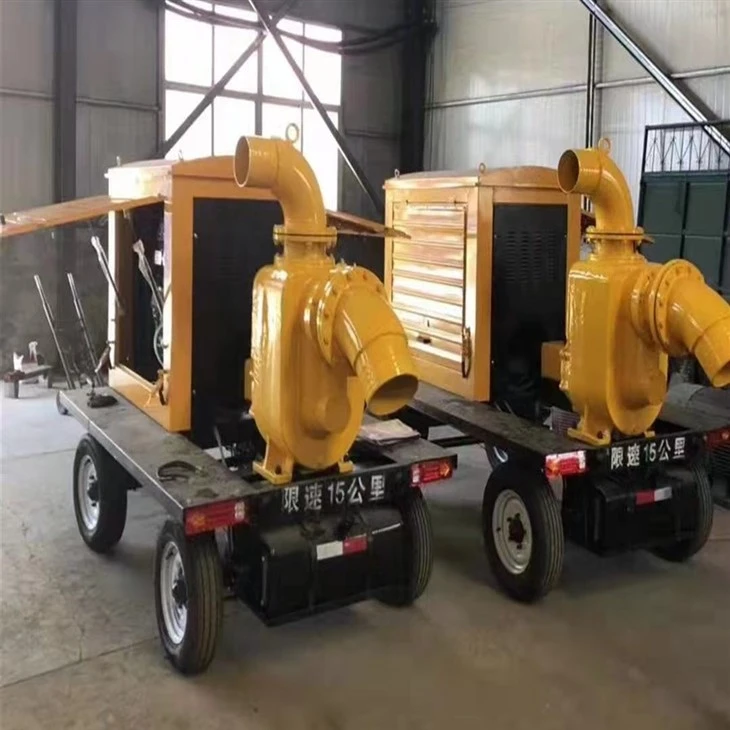
As a supplier of Diesel Fuel Pump Truck, we offer a wide range of high-quality diesel fuel pumps and related products. Our pumps are designed to meet the highest standards of performance and reliability, ensuring that your truck runs smoothly and efficiently.
In addition to our products, we also provide excellent customer service. Our team of experts is always ready to help you with any questions or concerns you might have about your diesel fuel pump. Whether you need help with installation, maintenance, or troubleshooting, we're here to assist you.
We also supply other types of pumps, such as Mobile Slurry Pump and Mixed Flow Pump Truck. These pumps are suitable for a variety of applications, including mining, construction, and agriculture.
If you're in the market for a new diesel fuel pump or any other type of pump, we invite you to contact us for a consultation. We can help you choose the right pump for your needs and provide you with a competitive quote. Our goal is to help you keep your trucks and equipment running at their best.
References
- Diesel Engine Fundamentals: A Practical Guide, by John Smith
- Truck Maintenance Handbook, by David Brown
- Fuel System Troubleshooting Manual, by ABC Publishing