
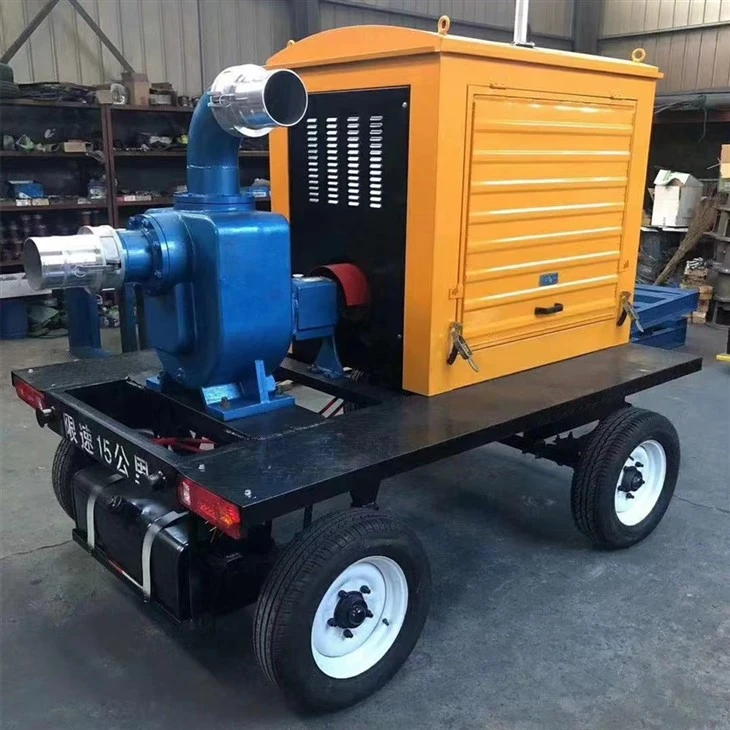
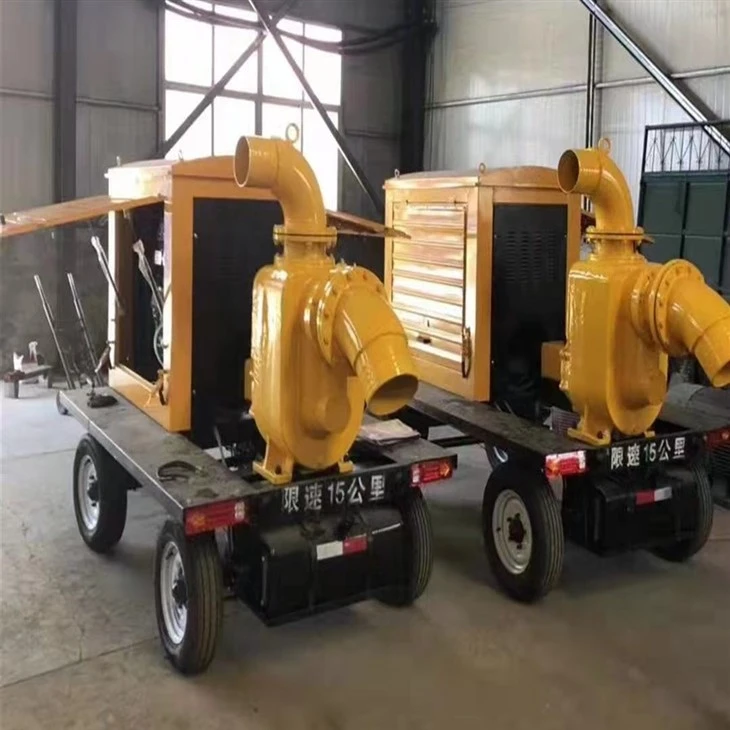
Hey there, truck enthusiasts and industry folks! I'm a supplier of Diesel Fuel Pump Truck, and I'm stoked to dive into how a diesel fuel pump in a truck interacts with the fuel tank. It's a crucial aspect of a truck's operation that often goes unnoticed, but understanding it can help you keep your trucks running smoothly and efficiently.
Let's start with the basics. The fuel tank is like the heart of the truck's fuel system, storing the diesel fuel that the engine needs to run. It's usually located at the rear or side of the truck and can hold anywhere from a few dozen to several hundred gallons of fuel, depending on the size and type of the truck.
Now, the diesel fuel pump is the workhorse that gets the fuel from the tank to the engine. It's responsible for creating the pressure needed to move the fuel through the fuel lines and into the engine's injectors. There are different types of diesel fuel pumps, but the most common ones in trucks are the mechanical and electronic pumps.
Mechanical Diesel Fuel Pumps
Mechanical diesel fuel pumps have been around for a long time and are still used in many older trucks. They're driven by the engine's camshaft or a separate shaft, which causes the pump's internal components to move and create pressure.
When the engine is running, the mechanical fuel pump draws fuel from the tank through a pickup tube. The pickup tube is located at the bottom of the tank to ensure that it can access the fuel even when the tank is almost empty. As the pump's components move, they create a vacuum that pulls the fuel into the pump.
Once the fuel is inside the pump, it's pressurized and sent through the fuel lines to the engine. The pressure created by the mechanical pump is usually enough to overcome the resistance of the fuel lines and injectors, allowing the fuel to reach the engine at the right time and in the right amount.
One of the advantages of mechanical diesel fuel pumps is their simplicity. They have fewer components than electronic pumps, which means there's less that can go wrong. They're also relatively easy to maintain and repair, making them a popular choice for older trucks and in areas where access to advanced diagnostic equipment is limited.
However, mechanical pumps also have some limitations. They're not as precise as electronic pumps when it comes to controlling the fuel flow and pressure, which can lead to slightly lower fuel efficiency and higher emissions. They also rely on the engine's mechanical power to operate, which means they can't adjust the fuel delivery based on the engine's operating conditions.
Electronic Diesel Fuel Pumps
In recent years, electronic diesel fuel pumps have become more common in trucks. These pumps use electronic sensors and controls to regulate the fuel flow and pressure, providing more precise and efficient fuel delivery.
Electronic fuel pumps are usually driven by an electric motor, which is controlled by the truck's engine control unit (ECU). The ECU monitors various engine parameters, such as engine speed, load, and temperature, and adjusts the fuel pump's operation accordingly.
When the engine needs more fuel, such as when accelerating or climbing a hill, the ECU sends a signal to the fuel pump to increase the fuel flow and pressure. Conversely, when the engine needs less fuel, such as when idling or decelerating, the ECU reduces the fuel pump's output.
One of the main advantages of electronic diesel fuel pumps is their ability to optimize fuel delivery based on the engine's operating conditions. This can result in improved fuel efficiency, reduced emissions, and better engine performance. They're also more reliable than mechanical pumps, as they have fewer moving parts and are less prone to wear and tear.
However, electronic fuel pumps are more complex and expensive than mechanical pumps. They require specialized diagnostic equipment to troubleshoot and repair, and they're more sensitive to electrical problems and voltage fluctuations.
The Interaction Between the Fuel Pump and the Fuel Tank
Now that we've covered the basics of diesel fuel pumps, let's take a closer look at how they interact with the fuel tank.
As I mentioned earlier, the fuel pump draws fuel from the tank through a pickup tube. The pickup tube is designed to prevent debris and sediment from entering the pump and causing damage. It usually has a filter at the end to trap any large particles that may be present in the fuel.
In addition to the pickup tube, the fuel tank also has a venting system. The venting system allows air to enter the tank as the fuel is being used, preventing the formation of a vacuum that could stop the fuel flow. It also helps to prevent the tank from overpressurizing, which could lead to fuel leaks or other safety hazards.
The fuel pump and the fuel tank are connected by a series of fuel lines. These lines are made of high-strength materials, such as steel or nylon, to withstand the pressure and temperature of the diesel fuel. They also have fittings and connectors that are designed to prevent leaks and ensure a secure connection between the pump and the tank.
Another important aspect of the interaction between the fuel pump and the fuel tank is the fuel return system. Some diesel engines use a fuel return system to recirculate excess fuel back to the tank. This helps to keep the fuel cool and prevent vapor lock, which can occur when the fuel gets too hot and turns into vapor.
The fuel return system usually consists of a return line that runs from the engine back to the fuel tank. Excess fuel is sent through this line and back into the tank, where it can be reused. This helps to ensure that the fuel pump is always supplied with a steady flow of cool, clean fuel.
The Importance of Proper Maintenance
To ensure that the diesel fuel pump and the fuel tank work together effectively, it's important to perform regular maintenance. This includes checking the fuel level, inspecting the fuel lines for leaks, and replacing the fuel filters at the recommended intervals.
A clogged fuel filter can restrict the fuel flow and cause the fuel pump to work harder, which can lead to premature wear and failure. It's also important to keep the fuel tank clean and free of debris, as contaminants in the fuel can damage the fuel pump and other components of the fuel system.
In addition to regular maintenance, it's also a good idea to use high-quality diesel fuel. Low-quality fuel can contain impurities and additives that can damage the fuel system and reduce engine performance. Look for fuel that meets the manufacturer's specifications and has been tested for quality.
Conclusion
In conclusion, the interaction between the diesel fuel pump and the fuel tank is a critical aspect of a truck's operation. Understanding how these components work together can help you keep your trucks running smoothly and efficiently, and avoid costly repairs and downtime.
Whether you're using a mechanical or electronic diesel fuel pump, proper maintenance and the use of high-quality fuel are essential. If you have any questions or need more information about diesel fuel pumps or the fuel system in your truck, feel free to contact us. We're a Diesel Fuel Pump Truck supplier, and we're here to help you find the right solutions for your needs.
We also offer other types of pumps, such as Mixed Flow Pump Truck and Mobile Slurry Pump, which can be used in a variety of applications. If you're interested in learning more about these products, don't hesitate to reach out.
Let's work together to keep your trucks on the road and performing at their best! Contact us today to discuss your procurement needs and start a productive conversation.
References
- Bosch Automotive Handbook, 8th Edition
- Diesel Engine Theory and Operation, by Richard Stone
- Heavy Duty Truck System, by Frank D. Gillette