
Hey there! As a supplier of Diesel Fuel Pump Trucks, I often get asked about how a diesel fuel pump in a truck works, especially in a multi - cylinder engine. So, I thought I'd break it down for you in a simple way.
First off, let's talk about why diesel engines are so important in trucks. Diesel engines are known for their durability, fuel efficiency, and high torque. These qualities make them perfect for heavy - duty applications like trucks that need to carry large loads over long distances. And the diesel fuel pump is a crucial part of this whole system.
In a multi - cylinder diesel engine, the main job of the fuel pump is to deliver the right amount of fuel at the right time to each cylinder. You see, each cylinder in a multi - cylinder engine goes through a four - stroke cycle: intake, compression, power, and exhaust. The fuel pump has to sync up with this cycle to make sure that fuel is injected at the exact moment when it's needed for the power stroke.
There are different types of diesel fuel pumps, but the most common ones in trucks are the inline fuel pumps and the distributor fuel pumps. Let's start with the inline fuel pump.
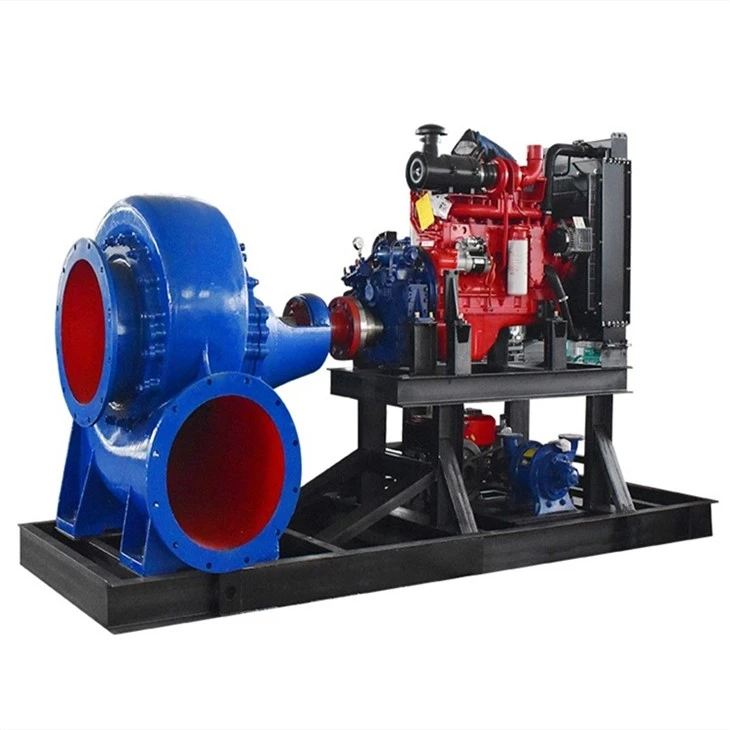

An inline fuel pump has a separate plunger and barrel assembly for each cylinder. It's like having a little fuel - delivery unit for every single cylinder in the engine. The way it works is pretty cool. First, the fuel is drawn into the pump from the fuel tank through a filter. The filter is super important because it removes any dirt or debris that could damage the pump or the engine.
Once the fuel is in the pump, the plunger starts to move up and down. When the plunger moves down, it creates a vacuum in the barrel, which sucks more fuel into the chamber. Then, when the plunger moves up, it compresses the fuel. This compressed fuel is then forced out of the pump and into the fuel injector for that particular cylinder. The timing of the plunger's movement is carefully controlled by the engine's camshaft. The camshaft has lobes that push on the plunger at the right time, making sure that fuel is delivered at the correct point in the engine's cycle.
Now, let's talk about the distributor fuel pump. This type of pump is a bit more compact and has a single pumping element that distributes fuel to all the cylinders. It has a rotor that spins inside the pump. As the rotor spins, it aligns with different ports that lead to each cylinder's fuel injector.
The fuel is first drawn into the pump and then gets pressurized. The spinning rotor then directs the pressurized fuel to the appropriate cylinder at the right time. The advantage of a distributor fuel pump is that it's simpler and lighter than an inline pump, which can be a plus for some truck applications.
But how does the pump know how much fuel to deliver? Well, that's where the governor comes in. The governor is a device that controls the speed of the engine by adjusting the amount of fuel that the pump delivers. If the engine is running too fast, the governor will reduce the amount of fuel going into the cylinders. If the engine is running too slow, it will increase the fuel supply.
Another important part of the fuel - delivery system is the fuel injector. The fuel injector is like the final stop for the fuel before it enters the cylinder. It takes the high - pressure fuel from the pump and sprays it into the combustion chamber in a fine mist. This fine mist allows the fuel to mix better with the air in the cylinder, which leads to more efficient combustion.
The fuel injector has a very precise opening and closing mechanism. It's controlled by the engine's electronic control unit (ECU). The ECU uses sensors to monitor things like the engine's speed, load, and temperature. Based on this information, it tells the fuel injector when to open and for how long, ensuring that the right amount of fuel is delivered for optimal engine performance.
Now, I want to mention a couple of related products that might interest you. If you're in the market for other types of pumps, you might want to check out the Mobile Slurry Pump and the Mixed Flow Pump Truck. These pumps have their own unique applications and can be very useful in different industries.
Of course, if you're specifically looking for a Diesel Fuel Pump Truck, we've got you covered. Our trucks are built with high - quality components and are designed to provide reliable fuel delivery for your multi - cylinder diesel engines.
Whether you're a trucking company owner, a mechanic, or just someone who's interested in how these things work, understanding how a diesel fuel pump in a multi - cylinder engine works can be really helpful. It can help you diagnose problems if something goes wrong, and it can also give you a better appreciation for the engineering that goes into these powerful machines.
If you're thinking about purchasing a Diesel Fuel Pump Truck or have any questions about our products, don't hesitate to reach out. We're here to help you find the right solution for your needs.
References:
- Automotive Technology: A Systems Approach by James D. Halderman
- Diesel Engine Theory and Operation by Richard A. Bengtson