
Hey there! As a supplier of Anti Corrosive Pumps, I've seen firsthand how crucial it is for these pumps to have top - notch corrosion resistance. In this blog, I'm gonna share some practical tips on how to increase the corrosion resistance of an anti - corrosive pump.
1. Choose the Right Materials
The first step in boosting corrosion resistance is picking the right materials for your pump. Different corrosive environments call for different materials. For instance, if your pump is going to be exposed to acidic substances, materials like stainless steel or certain types of plastics can be great choices.
Stainless steel, especially grades like 316 and 316L, is well - known for its excellent corrosion resistance. It contains chromium and nickel, which form a passive oxide layer on the surface. This layer acts as a shield, preventing the underlying metal from reacting with corrosive agents.
Plastics, on the other hand, offer a lightweight and cost - effective alternative. Materials such as polyvinyl chloride (PVC), polypropylene (PP), and fluoropolymers like polytetrafluoroethylene (PTFE) are highly resistant to many chemicals. They don't rust or corrode in the traditional sense, making them ideal for use in harsh chemical environments. You can check out our Anti Corrosive Pump range, where we use these high - quality materials to ensure long - lasting performance.
2. Surface Treatment
Surface treatment is another key factor in enhancing corrosion resistance. One common method is coating the pump's surface with a protective layer. There are various types of coatings available, each with its own advantages.
Epoxy coatings are popular because they offer good adhesion and chemical resistance. They can be applied to both metal and plastic surfaces. These coatings form a barrier between the pump and the corrosive environment, preventing direct contact.
Another option is ceramic coatings. Ceramics are extremely hard and resistant to wear and corrosion. They can withstand high temperatures and harsh chemicals, making them suitable for pumps used in demanding industrial applications.
Powder coating is also a great choice. It provides a uniform and durable finish. The powder is electrostatically applied to the pump surface and then cured in an oven, creating a tough, protective layer.
3. Proper Design and Installation
The design and installation of the pump can significantly impact its corrosion resistance. A well - designed pump should have smooth internal surfaces. Rough surfaces can trap corrosive substances, leading to localized corrosion. So, during the manufacturing process, we pay close attention to the finishing of the pump's interior.
Proper installation is equally important. Make sure the pump is installed in a clean, dry environment. Avoid areas where there is excessive moisture or where the pump could be exposed to standing water. Also, ensure that the pump is properly grounded. Grounding helps to prevent the build - up of static electricity, which can accelerate corrosion in some cases.
4. Regular Maintenance
Regular maintenance is essential for keeping the corrosion resistance of your anti - corrosive pump at its best. This includes routine inspections, cleaning, and replacement of worn parts.
Inspect the pump regularly for signs of corrosion, such as rust spots, pitting, or discoloration. If you notice any of these issues, take immediate action. Clean the pump regularly to remove any dirt, debris, or corrosive residues. Use a mild detergent and a soft brush to avoid scratching the surface.
Replace worn or damaged parts as soon as possible. Seals, gaskets, and impellers are common parts that may need replacement over time. Using genuine replacement parts from a reliable supplier, like us, ensures that the pump maintains its performance and corrosion resistance.
5. Monitor the Operating Environment
Keep an eye on the operating environment of the pump. Changes in temperature, humidity, and the concentration of corrosive substances can all affect the pump's corrosion resistance.
If the temperature in the operating area is too high, it can accelerate the corrosion process. Consider installing cooling systems or relocating the pump to a cooler area if necessary. Similarly, high humidity can lead to the formation of condensation, which can cause corrosion. Use dehumidifiers or ventilation systems to control the humidity levels.
Also, regularly test the concentration of corrosive substances in the fluid being pumped. If the concentration exceeds the pump's rated capacity, you may need to adjust the pumping process or upgrade the pump to a more corrosion - resistant model.
6. Use Corrosion Inhibitors
Corrosion inhibitors are chemicals that can be added to the fluid being pumped to reduce the rate of corrosion. They work by forming a protective film on the pump's surface, preventing the corrosive agents from reaching the metal.
There are different types of corrosion inhibitors available, depending on the type of corrosive environment. For example, in acidic environments, inhibitors containing amines or phosphates can be effective. In alkaline environments, inhibitors with silicates or borates may work better.
However, it's important to use corrosion inhibitors correctly. Follow the manufacturer's instructions regarding the dosage and application method. Over - or under - dosing can reduce the effectiveness of the inhibitor and may even cause other problems.
7. Training for Operators
Proper training for operators is often overlooked but is crucial for maintaining the corrosion resistance of the pump. Operators should be educated on the proper use, maintenance, and safety procedures related to the pump.
They should know how to monitor the pump's performance, detect early signs of corrosion, and take appropriate action. Training can also include information on the correct handling of corrosive substances and the importance of following safety protocols.

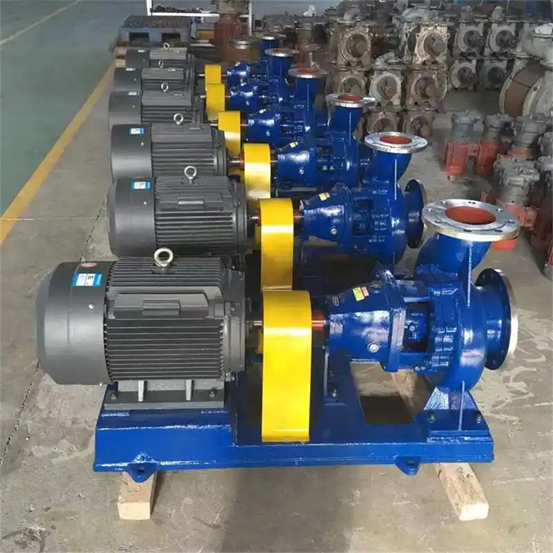
By investing in operator training, you can ensure that the pump is used and maintained correctly, which in turn helps to increase its corrosion resistance and lifespan.
In conclusion, increasing the corrosion resistance of an anti - corrosive pump involves a combination of factors, from choosing the right materials to proper maintenance and monitoring. At our company, we're committed to providing high - quality Anti Corrosive Pump solutions that are designed to withstand the toughest corrosive environments. If you're in the market for a reliable anti - corrosive pump or need more information on how to improve the corrosion resistance of your existing pump, don't hesitate to get in touch. We're here to help you make the best choice for your specific needs.
We also offer a range of other pumps, such as Self Priming Chemical Pump and Mining Submersible Pump, which are designed with similar attention to corrosion resistance and performance. So, whether you're in the chemical industry, mining, or any other sector that requires corrosion - resistant pumping solutions, we've got you covered.
Contact us today to start a discussion about your pumping requirements. Let's work together to find the perfect solution for your business!
References:
- "Corrosion Engineering" by Mars G. Fontana
- "Handbook of Corrosion Data" by Bruce D. Craig