
As a supplier of Axial Propeller Pumps, I often receive inquiries from customers about maintenance and repair. One common issue is the replacement of bearings in an Axial Propeller Pump. In this blog, I will guide you through the process of replacing the bearings of an Axial Propeller Pump step - by - step.
Understanding the Axial Propeller Pump
Before we start the bearing replacement process, it's essential to understand what an Axial Propeller Pump is. An Axial Propeller Pump is a type of pump that uses a propeller to move fluid axially. These pumps are widely used in various applications, such as water treatment plants, irrigation systems, and industrial fluid transfer. The bearings in an Axial Propeller Pump play a crucial role in supporting the rotating shaft and reducing friction, ensuring smooth operation.
Tools and Materials Needed
- Tools: Socket wrench set, bearing puller, hammer, torque wrench, calipers, and a clean workbench.
- Materials: New bearings that match the specifications of your Axial Propeller Pump, lubricant, and cleaning solvent.
Safety Precautions
Safety should always be your top priority when working on any pump.
- Power Off: Ensure that the pump is completely powered off and disconnected from the electrical supply. This will prevent any accidental start - up during the maintenance process.
- Wear Protective Gear: Wear safety glasses, gloves, and appropriate work clothing to protect yourself from potential hazards such as sharp edges, flying debris, and chemicals.
- Ventilation: If you are using cleaning solvents, make sure the work area is well - ventilated to avoid inhaling harmful fumes.
Step - by - Step Guide to Bearing Replacement
Step 1: Disassemble the Pump
- Remove the Casing: Use a socket wrench to remove the bolts holding the pump casing together. Carefully lift off the casing and set it aside. Be cautious not to damage any gaskets or seals during this process.
- Access the Shaft and Bearings: Once the casing is removed, you will be able to see the shaft and the bearings. Take note of the position and orientation of all components for reassembly later.
Step 2: Remove the Old Bearings
- Loosen the Locking Mechanism: Some bearings may be secured with a locking nut or a set screw. Use the appropriate tool to loosen and remove these locking mechanisms.
- Use a Bearing Puller: A bearing puller is a specialized tool designed to remove bearings without damaging them or the shaft. Attach the bearing puller to the bearing and gradually tighten the puller until the bearing is removed from the shaft. If the bearing is stuck, you can apply a small amount of heat using a heat gun to expand the bearing slightly, making it easier to remove. However, be careful not to overheat the shaft or other components.
Step 3: Clean the Shaft and Housing
- Clean the Shaft: Use a cleaning solvent and a clean cloth to remove any dirt, grease, or debris from the shaft. Make sure the shaft is completely dry before proceeding.
- Clean the Bearing Housing: Similarly, clean the bearing housing to remove any contaminants. Check the housing for any signs of damage or wear, such as scoring or pitting. If the housing is damaged, it may need to be repaired or replaced.
Step 4: Install the New Bearings
- Check the Fit: Before installing the new bearings, make sure they are the correct size and type for your Axial Propeller Pump. Use calipers to measure the inner and outer diameters of the bearings and compare them to the specifications provided by the pump manufacturer.
- Lubricate the Bearings: Apply a thin layer of lubricant to the inner and outer surfaces of the new bearings. This will help reduce friction and ensure smooth operation.
- Press the Bearings onto the Shaft: Use a press or a suitable tool to carefully press the new bearings onto the shaft. Make sure the bearings are properly aligned and seated correctly. Do not use a hammer to force the bearings onto the shaft, as this can damage the bearings.
Step 5: Reassemble the Pump
- Reinstall the Locking Mechanism: Once the new bearings are installed, reinstall the locking nut or set screw to secure the bearings in place. Use a torque wrench to tighten the locking mechanism to the manufacturer's recommended torque specification.
- Replace the Casing: Carefully place the pump casing back in position and secure it with the bolts. Make sure the gaskets and seals are properly aligned to prevent any leaks.
Step 6: Test the Pump
- Reconnect the Power: After reassembling the pump, reconnect it to the electrical supply.
- Run a Test: Start the pump and let it run for a few minutes. Listen for any unusual noises or vibrations, which could indicate a problem with the bearing installation. Check for any leaks around the pump casing.
Common Issues and Troubleshooting
- Noise or Vibration: If the pump makes excessive noise or vibrates during operation, it could be due to improper bearing installation, misalignment, or damaged bearings. Stop the pump immediately and check the bearings and other components for any issues.
- Leakage: Leakage around the pump casing may be caused by a damaged gasket or seal. Check the gaskets and seals and replace them if necessary.
Other Related Pumps
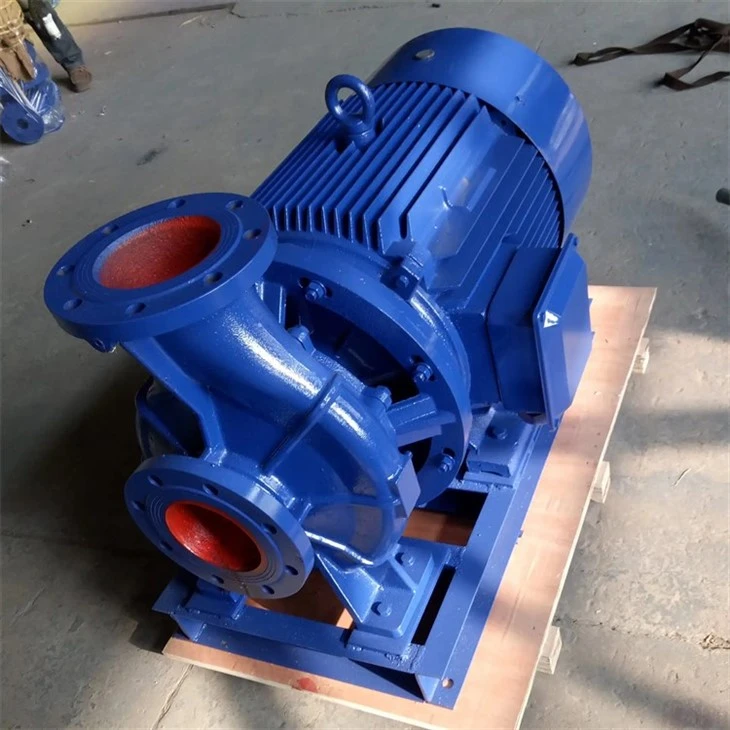
In addition to Axial Propeller Pumps, we also supply Slurry Mixing Pump and High Pressure Centrifugal Water Pump. These pumps are suitable for different applications and can meet a wide range of customer needs.

Conclusion
Replacing the bearings of an Axial Propeller Pump is a relatively straightforward process if you follow the correct steps and take the necessary safety precautions. By regularly maintaining and replacing the bearings, you can extend the lifespan of your pump and ensure its efficient operation.
If you have any questions about Axial Propeller Pumps, bearing replacement, or any of our other products, please feel free to contact us for procurement and further discussions. We are committed to providing high - quality products and excellent customer service.
References
- Pump Maintenance Handbook, Third Edition
- Axial Propeller Pump Manufacturer's Manual