
Hey there! As an axial propeller pump supplier, I get asked a lot about how to select the appropriate pump size. It's not always a walk in the park, but with a bit of know - how, you can get it right. So, let's dive into the nitty - gritty of finding the perfect pump size for an axial propeller pump.
Understanding Axial Propeller Pumps
First things first, let's quickly go over what axial propeller pumps are. These pumps are designed to move large volumes of liquid at relatively low heads. They work by using a propeller to move the fluid parallel to the pump shaft. This makes them great for applications like irrigation, drainage, and circulating water in large systems.
Factors to Consider When Selecting Pump Size
Flow Rate
The flow rate is probably the most important factor. It refers to the volume of fluid that the pump needs to move in a given time. Think about the task at hand. For example, if you're using the pump for an irrigation system, you need to know how much water your crops need. Calculate the number of acres or square meters you need to water and how much water per unit area is required.
Let's say you have a small farm and need to water about 5 acres. If each acre needs 100 gallons of water per hour for proper irrigation, then your total required flow rate is 500 gallons per hour. This calculation gives you a baseline for choosing the pump size. A pump that can't meet this flow rate won't keep your crops hydrated, and one that's much larger than needed will waste energy and money.
Head
The head is another crucial factor. It represents the total resistance the pump has to overcome to move the fluid. There are two main types of head: static head and friction head.
Static head is the vertical distance the fluid needs to be lifted. For instance, if you're pumping water from a well that's 20 feet deep to a storage tank on the ground level, that's a 20 - foot static head.
Friction head, on the other hand, is the resistance caused by the fluid flowing through pipes, valves, and fittings. Longer pipes, smaller pipe diameters, and more bends in the pipes all increase the friction head. You can use some online calculators or engineering charts to estimate the friction head based on your pipe system.
Combining these two, you get the total head. The pump you choose must be able to generate enough pressure to overcome this total head and still maintain the required flow rate.
Liquid Properties
The properties of the liquid you're pumping also matter. If it's water, that's pretty straightforward. But if you're dealing with a liquid that's thicker or has solids in it, like a slurry, things get a bit more complicated. For example, a Progressive Cavity Slurry Pump might be more suitable for handling slurries because it can deal with the abrasiveness and higher viscosity.
Viscosity is a measure of a liquid's resistance to flow. A more viscous liquid requires a pump that can generate more force to move it. If you use a pump designed for low - viscosity fluids with a high - viscosity liquid, it might not work efficiently or could even break down.
System Requirements
Think about the overall system the pump will be part of. If it's part of a continuous process, you might need a pump that can run 24/7 without frequent maintenance. On the other hand, if it's for a seasonal use, like an irrigation system during the growing season, you have more flexibility.
Also, consider the available space for the pump. Axial propeller pumps come in different sizes, and you need to make sure the one you choose fits in the designated area.
How to Use Pump Performance Curves
Pump performance curves are like a map for choosing the right pump. Every pump manufacturer provides these curves, which show the relationship between the flow rate, head, and power consumption of a pump.
On the x - axis of the curve, you'll find the flow rate, and on the y - axis, you'll see the head. The curve itself shows how much head the pump can generate at different flow rates. You'll also find lines showing the power consumption and efficiency levels.
To use these curves, start by plotting your required flow rate and head on the graph. Then, look for a pump whose curve passes close to this point. A pump that operates near the peak efficiency on the curve will save you a lot of energy in the long run.
Special Considerations for Different Applications
Irrigation
In an irrigation system, you want to make sure the water is distributed evenly. This means the pump should be able to maintain a consistent flow rate across the entire area. You might also need to consider the type of irrigation method you're using, like sprinklers or drip irrigation. Each method has different flow rate and pressure requirements, so choose a pump size accordingly.
Drainage
For drainage applications, the main goal is to get rid of water quickly. You'll need a pump with a high flow rate to move large volumes of water out of an area, like a flooded basement or a construction site. But you also need to consider the distance the water has to travel and any elevation changes, which affect the head.
Industrial Processes
In industrial settings, pumps are often part of complex systems. You need to coordinate with other equipment and ensure that the pump can handle the specific requirements of the process. For example, some processes require a very precise flow rate and pressure. You might also need to consider the compatibility of the pump materials with the chemicals or liquids in the process.
Comparing Different Pump Sizes
Once you have a good idea of your requirements, it's time to compare different pump sizes. Look at the specifications of pumps from different manufacturers. Pay attention to the flow rate, head, power consumption, and efficiency ratings.
Don't just go for the cheapest option. A pump that's too small for your needs will have to work harder, leading to higher energy costs and more frequent breakdowns. On the other hand, an oversized pump will also waste energy and might not operate efficiently.
Making the Final Decision
After all the calculations and comparisons, it's time to make a decision. Choose a pump that meets your flow rate and head requirements, operates efficiently, and fits within your budget.
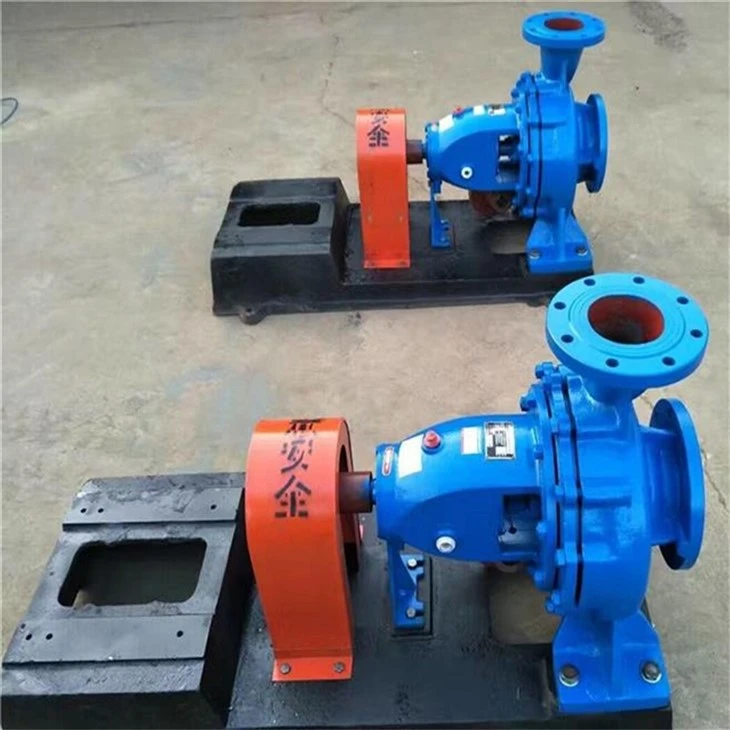
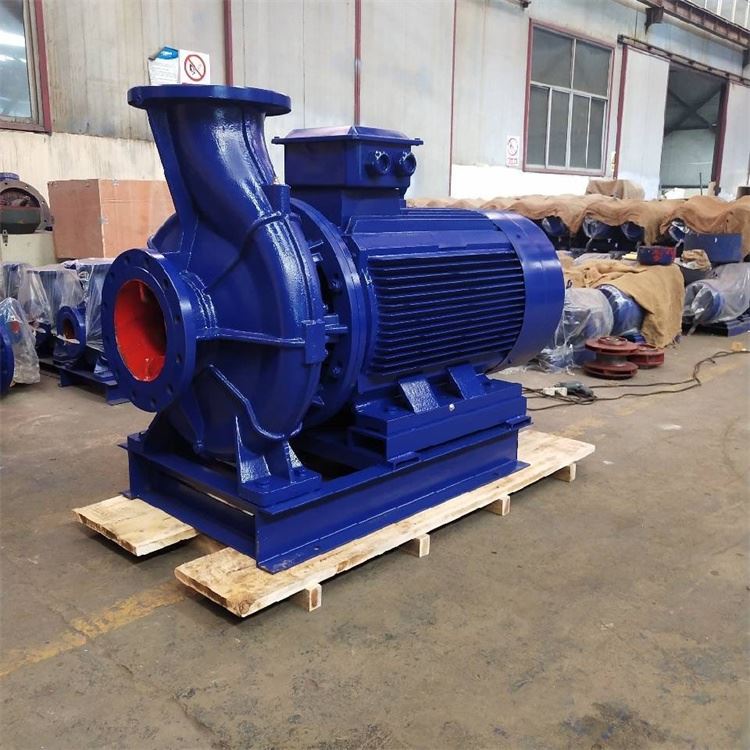
Remember, if you're still unsure, you can always reach out to us as your axial propeller pump supplier. We have the expertise and experience to help you select the perfect pump size for your specific application.
Other Pump Options to Consider
While axial propeller pumps are great for many applications, there are other types of pumps you might want to look into depending on your needs. For example, the IS Water Pump is a popular choice for clean water transfer. It's reliable and can handle a wide range of flow rates and heads.
If you're dealing with sludge or other thick fluids, the Pneumatic Sludge Pump could be a better option. It uses compressed air to move the sludge, which can be very effective in certain situations.
Contact Us for More Information
If you're in the market for an axial propeller pump or any other type of pump, we're here to help. Whether you need advice on pump sizing, want to learn more about our products, or are ready to start a procurement discussion, don't hesitate to get in touch. We'll work with you to find the best solution for your needs.
References
- "Pump Handbook" - Karassik, I. J., Messina, J. P., Cooper, P. T., & Heald, C. C.
- "Fluid Mechanics and Hydraulic Machines" - R. K. Bansal