

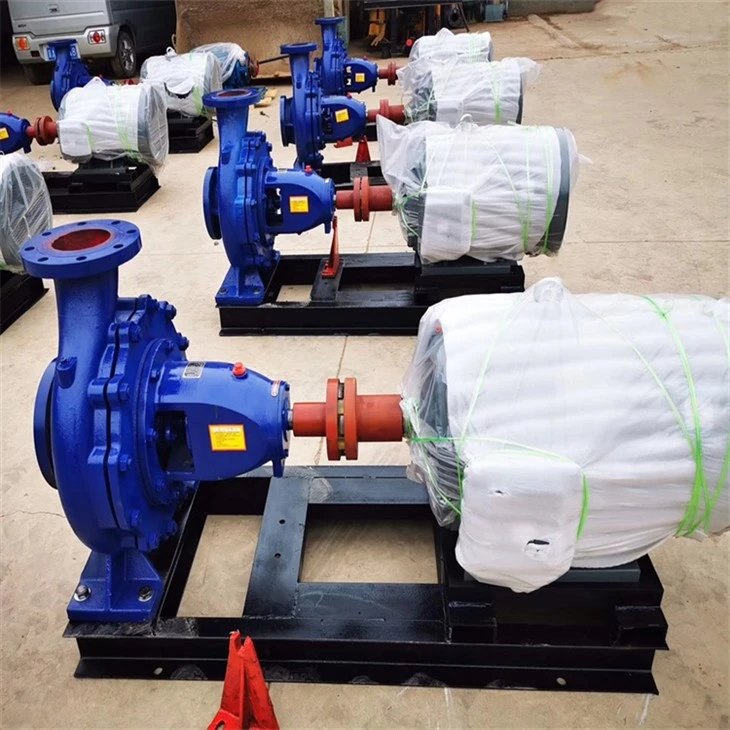
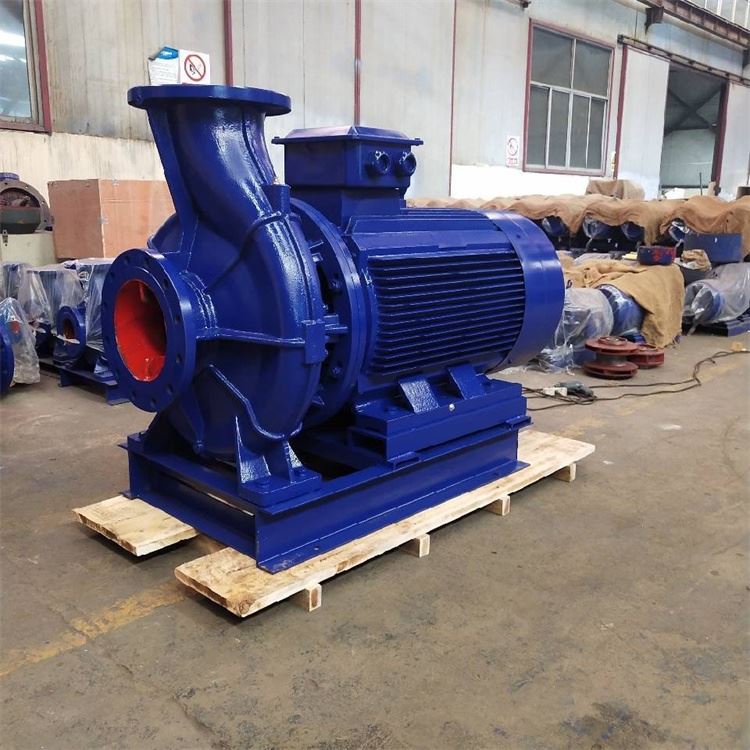
Hey there! As a supplier of IS water pumps, I've seen my fair share of issues with these pumps over the years. In this blog, I'm gonna share some signs that your IS water pump might be faulty.
1. Unusual Noises
One of the first signs that something's up with your IS water pump is when it starts making strange noises. A normal, well - functioning pump should operate relatively quietly. But if you start hearing grinding, screeching, or rattling sounds, it's a red flag.
Grinding noises can indicate that there are foreign objects inside the pump. Maybe some debris got into the impeller, causing it to rub against other parts of the pump. This can not only damage the impeller but also other internal components. Screeching sounds, on the other hand, could be a sign of a worn - out bearing. Bearings are crucial for the smooth rotation of the pump shaft, and when they start to wear out, they make this high - pitched noise. Rattling might suggest loose parts within the pump housing. It could be a loose bolt or a component that has come loose due to vibration or wear and tear.
2. Reduced Water Flow
If you notice that the water flow from your IS water pump has decreased significantly, it's likely that there's a problem. There are a few reasons why this might happen. First, the impeller could be damaged. The impeller is responsible for creating the centrifugal force that moves water through the pump. If it's cracked, chipped, or clogged, it won't be able to generate enough force to push water at the normal rate.
Another possible cause is a blockage in the suction or discharge pipes. Debris, sediment, or even mineral deposits can build up over time and restrict the flow of water. You might also want to check the valves. A partially closed or malfunctioning valve can reduce the water flow. If you're in the market for a pump that can handle high - pressure water transfer, you might be interested in our High Pressure Centrifugal Water Pump.
3. Leaking Water
Water leakage is a pretty obvious sign of a faulty pump. It can occur from several places. One common area is the seals. The seals in an IS water pump are designed to prevent water from leaking out of the pump housing. Over time, these seals can wear out, dry out, or get damaged. If you see water dripping or pooling around the base of the pump, it's likely that the seals are the culprit.
Another possible source of leakage is the pump casing. Cracks in the casing can develop due to physical damage, thermal stress, or corrosion. Even a small crack can cause water to leak out. If you notice any signs of water leakage, it's important to address the issue as soon as possible to prevent further damage to the pump and surrounding equipment.
4. Overheating
An overheating IS water pump is a serious problem. Pumps are designed to operate within a certain temperature range, and when they overheat, it can lead to premature failure of components. There are a few reasons why a pump might overheat.
Lack of proper lubrication is one cause. The bearings and other moving parts in the pump need to be lubricated to reduce friction. If the lubricant levels are low or the lubricant has degraded, it can cause excessive friction, which in turn generates heat. Another reason could be a problem with the cooling system. Some pumps have a built - in cooling mechanism, and if it's not working properly, the pump will overheat.
Overloading the pump can also cause it to overheat. If you're trying to pump water at a higher flow rate or pressure than the pump is rated for, it will have to work harder, generating more heat in the process.
5. Vibration
Excessive vibration is another sign that your IS water pump might be faulty. A well - balanced pump should operate with minimal vibration. But if you feel strong vibrations when the pump is running, it could indicate several issues.
Imbalance in the impeller is a common cause. If the impeller is not properly balanced, it will create uneven forces as it rotates, causing the pump to vibrate. Misalignment of the pump and motor can also lead to vibration. When the pump and motor are not in line, it puts extra stress on the coupling and other components, resulting in vibration. Loose mounting bolts can also cause the pump to vibrate. If the pump is not securely fastened to its base, it will move around when it's running, creating vibrations.
6. Increased Energy Consumption
If you notice that your electricity bill has gone up significantly since you started using the IS water pump, it could be a sign that the pump is not working efficiently. A faulty pump has to work harder to achieve the same level of performance, which means it consumes more energy.
As mentioned earlier, issues like a damaged impeller, blockages, or overheating can all cause the pump to work inefficiently. By identifying and fixing these problems, you can not only save on energy costs but also extend the lifespan of the pump.
7. Erratic Pressure
Inconsistent pressure in the water system can be a sign of a faulty IS water pump. If the pressure keeps fluctuating, it can cause problems for the equipment that relies on a stable water pressure.
A worn - out pressure switch could be the cause. The pressure switch is responsible for turning the pump on and off at the appropriate pressure levels. If it's not working correctly, the pump might turn on and off too frequently or at the wrong pressure. A problem with the pressure gauge can also give the appearance of erratic pressure. Make sure to check the gauge to ensure it's accurate.
8. Foaming or Aeration
If you notice foaming or aeration in the water being pumped, it's a sign that something's wrong. Foaming can occur when air is being drawn into the pump. This could be due to a leak in the suction line, allowing air to enter the system.
Aeration can also be caused by a problem with the impeller. If the impeller is not designed correctly or is damaged, it can create turbulence that causes air to mix with the water. This not only reduces the efficiency of the pump but can also cause damage to the equipment downstream.
If you're dealing with sludge and need a reliable pump, our Pneumatic Sludge Pump might be the solution for you. And for single - stage pumping needs, check out our HW Single - stage Pump.
In conclusion, being aware of these signs can help you identify a faulty IS water pump early on. If you suspect that your pump is experiencing any of these issues, it's important to take action quickly. Whether it's a simple repair or a complete replacement, addressing the problem promptly can save you time, money, and headaches in the long run.
If you're interested in purchasing a new IS water pump or need more information about our products, feel free to reach out. We're here to help you find the right pump for your needs and ensure that it operates smoothly for years to come.
References
- Pump Handbook, Third Edition by Igor J. Karassik, Joseph P. Messina, Paul Cooper, Charles C. Heald
- Centrifugal Pumps: Design and Application by Heinz P. Bloch, Allan R. Budris