

Hey there! As a supplier of Sewage Sludge Pumps, I often get asked about the temperature limitations of these pumps. It's a crucial topic, especially when you're dealing with sewage sludge, which can vary widely in temperature depending on the source and the process it goes through.
Let's start by understanding what sewage sludge is. Sewage sludge is a by - product of the wastewater treatment process. It contains a mixture of organic and inorganic materials, and its temperature can be influenced by factors like the temperature of the incoming wastewater, the climate in the area, and any industrial processes that contribute to the sewage.
The temperature limitations of a sewage sludge pump are mainly determined by two key factors: the materials used in the pump's construction and the viscosity of the sludge at different temperatures.
Materials and Temperature
Most sewage sludge pumps are made from a variety of materials, including metals like cast iron, stainless steel, and sometimes specialized alloys. Each of these materials has its own temperature tolerance.
Cast iron is a common material for pump casings. It's relatively inexpensive and has good strength. However, it can become brittle at very low temperatures. If the sludge temperature drops below freezing (0°C or 32°F), there's a risk of the cast iron casing cracking. On the other hand, at high temperatures, cast iron can expand, which might cause misalignments in the pump components and lead to premature wear and tear.
Stainless steel is more resistant to temperature variations compared to cast iron. It can handle a wider range of temperatures, from around - 20°C (- 4°F) to about 200°C (392°F). This makes it a popular choice for sewage sludge pumps that might encounter extreme temperature conditions. Specialized alloys can offer even better temperature resistance, but they are usually more expensive.
The seals and gaskets in the pump are also affected by temperature. Rubber seals, for example, can harden at low temperatures and lose their elasticity, leading to leaks. At high temperatures, rubber can become soft and deform, again causing sealing issues. Some pumps use high - temperature - resistant seals made from materials like Viton, which can withstand temperatures up to around 200°C (392°F).
Viscosity and Temperature
The viscosity of sewage sludge is another important factor when it comes to temperature limitations. Viscosity refers to the thickness or resistance to flow of a fluid. As the temperature of the sludge decreases, its viscosity increases. This means that the sludge becomes thicker and harder to pump.
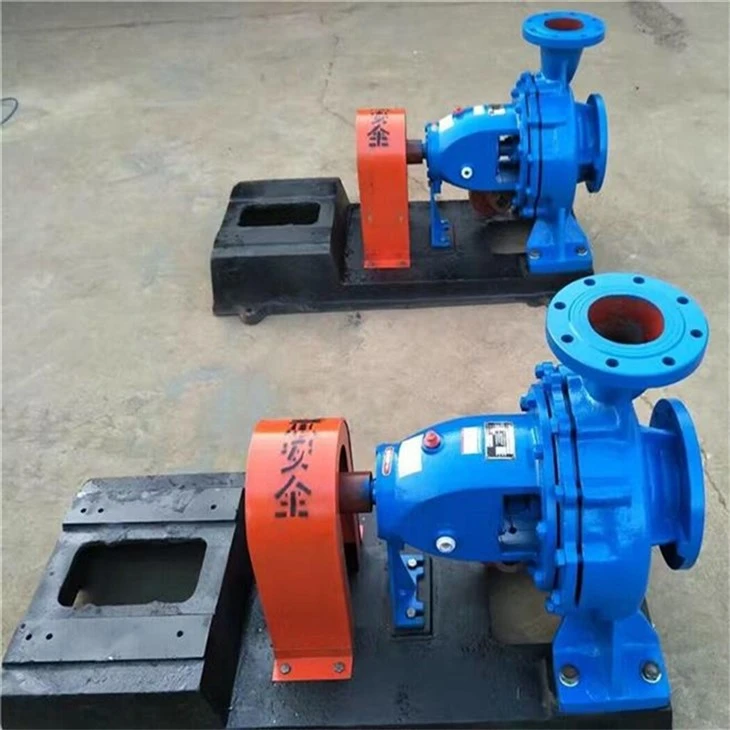

When the sludge is too viscous, it can put extra strain on the pump motor. The pump might have to work harder to move the thick sludge, which can lead to overheating of the motor and potentially cause it to burn out. On the other hand, at very high temperatures, the sludge might become too thin, which can also cause problems. The pump might lose its prime, meaning it can't maintain the suction needed to draw the sludge into the pump.
Typically, sewage sludge pumps are designed to work within an optimal temperature range where the viscosity of the sludge is manageable. For most standard pumps, this range is between 5°C (41°F) and 60°C (140°F). Within this range, the sludge has a relatively stable viscosity, and the pump can operate efficiently.
Impact of Extreme Temperatures on Pump Performance
Let's take a closer look at how extreme temperatures can impact the performance of a sewage sludge pump.
Low Temperatures
At low temperatures, as mentioned earlier, the risk of casing cracking and seal hardening is significant. In addition, the increased viscosity of the sludge can cause clogging in the pump's impeller and pipes. The pump might not be able to generate enough pressure to move the thick sludge, resulting in reduced flow rates. This can lead to backups in the sewage system, which can be a major headache for wastewater treatment plants.
High Temperatures
High temperatures can cause the pump motor to overheat. The lubricants in the motor can break down, reducing their effectiveness and increasing friction between moving parts. This can lead to premature failure of the motor. Also, the high - temperature sludge can cause corrosion of the pump components, especially if the sludge contains corrosive chemicals.
Selecting the Right Pump for Temperature Conditions
As a sewage sludge pump supplier, I always recommend that customers consider the temperature conditions of their sewage sludge when selecting a pump. If you're dealing with cold climates, a pump with a stainless - steel casing and high - quality, low - temperature - resistant seals is a good choice. You might also want to consider a pump with a more powerful motor to handle the increased viscosity of the cold sludge.
For high - temperature applications, look for pumps with heat - resistant materials and motors designed to operate at elevated temperatures. Some pumps even come with cooling systems to prevent overheating.
If you're not sure which pump is right for your specific temperature conditions, don't hesitate to reach out. We have a team of experts who can help you make the best decision based on your needs.
Related Products
We also offer other types of pumps that might be relevant to your wastewater treatment needs. Check out our Slurry Mixing Pump, which is great for mixing and transferring slurries. Our IS Water Pump is a reliable option for clean water transfer. And of course, our Sewage Sludge Pump is designed specifically for handling sewage sludge.
Conclusion
In conclusion, understanding the temperature limitations of a sewage sludge pump is essential for ensuring its proper operation and longevity. Temperature can affect the pump's materials, seals, and the viscosity of the sludge, all of which can impact performance. By selecting the right pump for your temperature conditions, you can avoid costly breakdowns and keep your sewage system running smoothly.
If you're in the market for a sewage sludge pump or have any questions about temperature limitations or other pump - related issues, feel free to get in touch. We're here to help you find the perfect solution for your wastewater treatment needs.
References
- "Pump Handbook" by Igor J. Karassik et al.
- "Wastewater Treatment: Principles, Processes, and Modeling" by Mark van Loosdrecht and G. Amy.