
Hey there! As a mobile slurry pump supplier, I've seen a ton of questions about the differences between pumps for light and heavy - duty applications. So, let's dig into it and clear up any confusion.
First off, what exactly is a mobile slurry pump? Well, it's a pump that can be easily moved around and is designed to handle slurries, which are mixtures of solids and liquids. You can check out our Mobile Slurry Pump for more details on the basic product.
Light - Duty Mobile Slurry Pumps
Light - duty mobile slurry pumps are like the nimble little workhorses of the pump world. They're great for smaller - scale operations where the slurry isn't too thick or abrasive.
Flow Rate and Capacity
These pumps usually have a lower flow rate compared to their heavy - duty counterparts. They're designed to handle smaller volumes of slurry, typically in the range of a few cubic meters per hour. For example, if you're dealing with a small construction site where you need to move some light mud or a bit of sand - water mixture, a light - duty pump can do the job just fine.
Power and Energy Consumption
Light - duty pumps are generally less powerful. They run on less energy, which means lower operating costs. They can often be powered by smaller electric motors or even small diesel engines. This makes them a cost - effective option for short - term or intermittent use.
Wear and Tear
Since they're dealing with less abrasive slurries, the wear and tear on light - duty pumps is relatively low. The impellers and other internal components don't have to withstand the same level of punishment as those in heavy - duty pumps. This means less maintenance and longer component life.
Mobility
One of the big advantages of light - duty mobile slurry pumps is their mobility. They're usually smaller and lighter, so they can be easily moved around on a small trailer or even carried by a couple of workers. This makes them ideal for applications where you need to move the pump from one location to another frequently.
Heavy - Duty Mobile Slurry Pumps
Heavy - duty mobile slurry pumps are the big guns in the slurry - pumping world. They're built to handle the toughest jobs.
Flow Rate and Capacity
These pumps have a much higher flow rate and capacity. They can move large volumes of thick, abrasive slurries at a rapid pace. For example, in a large mining operation, where you need to move tons of ore - laden slurry from one part of the mine to another, a heavy - duty pump is essential. They can handle flow rates of dozens or even hundreds of cubic meters per hour.
Power and Energy Consumption
Heavy - duty pumps require a lot more power to operate. They're often powered by large diesel engines or high - voltage electric motors. This means higher energy consumption and operating costs, but it's a necessary trade - off for the ability to handle the heavy - duty work.
Wear and Tear
The slurries they handle are extremely abrasive, so heavy - duty pumps are built to withstand a lot of wear and tear. The impellers are made from high - grade, wear - resistant materials like hardened steel or rubber - lined materials. The pump casings are also thicker and more robust. However, even with these durable materials, the components still need to be replaced more frequently than those in light - duty pumps.
Mobility
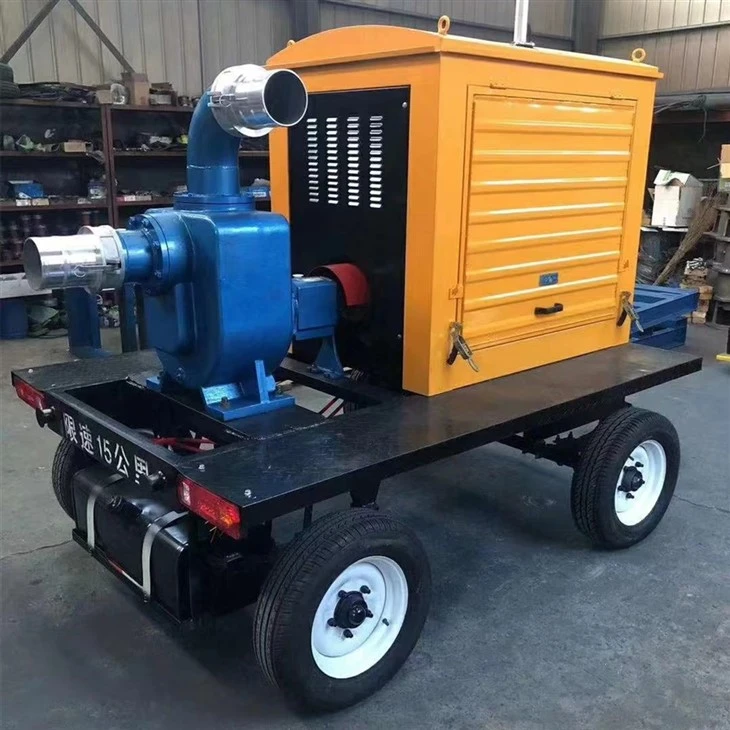
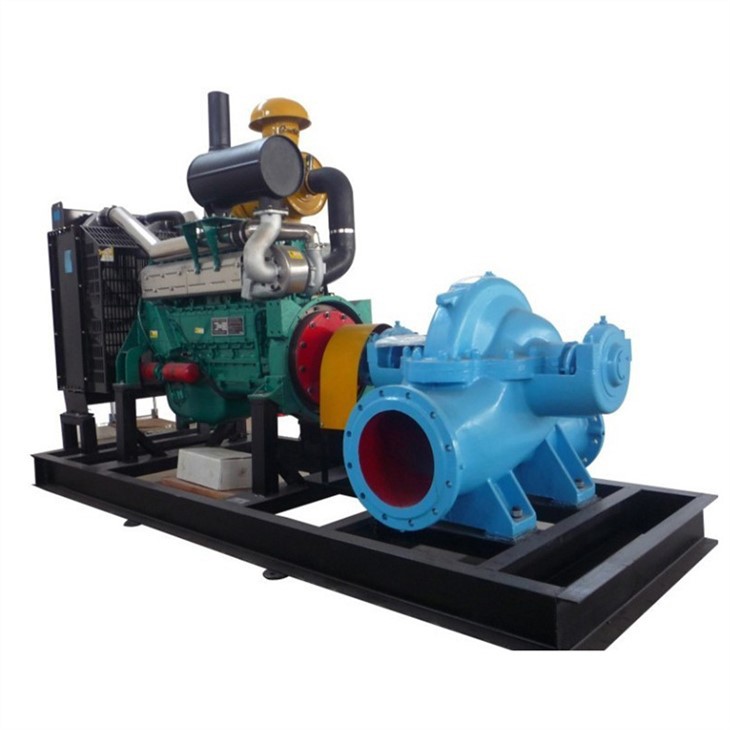
While heavy - duty pumps are still mobile, they're much larger and heavier. They usually come mounted on large trucks or trailers. For instance, our Mixed Flow Pump Truck and Diesel Fuel Pump Truck are great examples of heavy - duty mobile solutions. Moving them around requires more planning and equipment, but they can still be transported to different job sites as needed.
Applications of Light and Heavy - Duty Pumps
Light - Duty Applications
- Small Construction Sites: As mentioned earlier, light - duty pumps are perfect for small construction projects. They can be used to dewater trenches, move light mud, or handle small amounts of wastewater.
- Agricultural Use: In farms, they can be used to move water with a small amount of sediment, like in irrigation systems or for draining small ponds.
- Pool and Pond Maintenance: For cleaning out small pools or ponds, a light - duty pump can easily remove the water along with any debris.
Heavy - Duty Applications
- Mining: Mining operations rely heavily on heavy - duty pumps to move large volumes of ore - laden slurry. They're used in both open - pit and underground mines.
- Large - Scale Construction: In big construction projects, such as building dams or large bridges, heavy - duty pumps are needed to handle the large amounts of thick mud and concrete slurries.
- Industrial Waste Management: Industries that produce large amounts of abrasive waste slurries, like the steel or chemical industries, use heavy - duty pumps to transport the waste to treatment facilities.
Cost Considerations
When it comes to cost, there are a few things to keep in mind. Light - duty pumps are generally cheaper to purchase. They also have lower operating costs due to their lower energy consumption and less frequent maintenance. However, if you try to use a light - duty pump for a heavy - duty application, you'll end up with frequent breakdowns and costly repairs, which can quickly add up.
On the other hand, heavy - duty pumps are more expensive to buy and operate. But for the right heavy - duty applications, they're a necessary investment. They can handle the job efficiently and reliably, which can save you money in the long run by reducing downtime and increasing productivity.
Making the Right Choice
So, how do you decide whether you need a light - duty or heavy - duty mobile slurry pump? It all comes down to your specific application. Consider the following factors:
- Volume of Slurry: If you only need to move a small amount of slurry, a light - duty pump will do. But if you have a large - scale operation with high - volume requirements, a heavy - duty pump is the way to go.
- Abrasive Nature of the Slurry: If the slurry is light and not very abrasive, a light - duty pump can handle it. But for thick, abrasive slurries, a heavy - duty pump is essential to prevent rapid wear and tear.
- Frequency of Use: If it's a short - term or intermittent job, a light - duty pump might be sufficient. But for continuous, long - term use, a heavy - duty pump is more reliable.
If you're still not sure which type of pump is right for you, don't hesitate to reach out. We're here to help you make the best choice for your needs. Whether you're a small contractor or a large industrial company, we have the expertise and the products to meet your requirements. Contact us to start a conversation about your slurry - pumping needs and let's find the perfect solution together.
References
- Slurry Pump Handbook, various industry experts
- Technical manuals of mobile slurry pumps from leading manufacturers.