
What is the Head Pressure of an Irrigation Well Pump?
As a supplier of irrigation well pumps, I often encounter customers who are curious about the concept of head pressure. Head pressure is a fundamental parameter when it comes to the performance and selection of irrigation well pumps. In this blog, I'll delve into what head pressure is, why it matters, and how it relates to different types of irrigation well pumps.
Understanding Head Pressure
Head pressure, in the context of pumps, refers to the height or vertical distance that a pump can lift water. It is typically measured in feet or meters. This measurement is crucial because it determines the pump's ability to move water from the source (the well) to the point of use (the irrigation system).
There are two main types of head: static head and total dynamic head. Static head is the vertical distance between the water level in the well and the highest point to which the water needs to be pumped. For example, if your well water level is 20 feet below the ground surface and you need to pump water to a sprinkler system that is 10 feet above the ground, the static head is 30 feet.
Total dynamic head (TDH), on the other hand, takes into account not only the static head but also the friction losses in the pipes, fittings, and any other components in the system. Friction losses occur as water flows through the pipes, and they increase with the length of the pipes, the diameter of the pipes, and the flow rate of the water. So, TDH is always greater than the static head.
Why Head Pressure Matters
The head pressure of an irrigation well pump is critical for several reasons. First and foremost, it determines whether the pump can deliver water to the desired location. If the head pressure is too low, the water may not reach the end of the irrigation system, resulting in uneven watering or no watering at all in some areas.
Secondly, head pressure affects the flow rate of the pump. According to the pump performance curve, as the head pressure increases, the flow rate decreases. This means that if you need to pump water to a greater height, the pump will deliver less water per unit of time. Therefore, when selecting an irrigation well pump, you need to balance the head pressure requirements with the desired flow rate.
Finally, understanding head pressure is essential for energy efficiency. A pump that is operating at the wrong head pressure can consume more energy than necessary. For example, if a pump is designed for a low head pressure but is used in a high head pressure application, it will have to work harder, leading to increased energy consumption and potentially premature wear and tear.
Head Pressure and Different Types of Irrigation Well Pumps
There are several types of irrigation well pumps available in the market, each with its own head pressure capabilities.
Submersible Pumps: These pumps are designed to be submerged in the well. They are known for their ability to handle high head pressures. Submersible pumps can typically lift water from deep wells, with some models capable of handling head pressures of over 300 feet. They are also very efficient and quiet, making them a popular choice for many irrigation applications.
Jet Pumps: Jet pumps can be either shallow well or deep well pumps. Shallow well jet pumps are suitable for wells with a depth of up to 25 feet and can handle relatively low head pressures. Deep well jet pumps, on the other hand, can be used for wells up to 100 feet deep and can handle higher head pressures. Jet pumps are less expensive than submersible pumps but may require more maintenance.
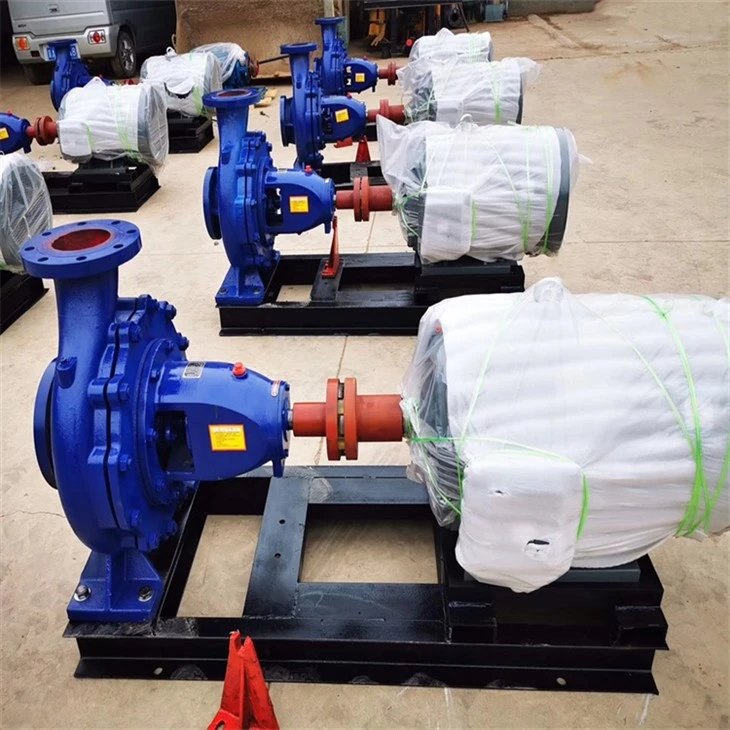
Centrifugal Pumps: Centrifugal pumps are commonly used in irrigation systems. They work by using a rotating impeller to create a centrifugal force that moves the water. Centrifugal pumps are available in different sizes and can handle a wide range of head pressures. For high head pressure applications, you may consider a High Pressure Centrifugal Water Pump. These pumps are designed to deliver water at high pressures and are suitable for large-scale irrigation projects.
Calculating Head Pressure
Calculating the head pressure required for your irrigation system is an important step in selecting the right pump. Here's a general process for calculating the total dynamic head:
- Determine the Static Head: Measure the vertical distance from the water level in the well to the highest point in the irrigation system.
- Estimate the Friction Losses: Friction losses depend on the pipe length, diameter, and flow rate. You can use friction loss charts or online calculators to estimate the friction losses in your pipes and fittings.
- Add the Static Head and Friction Losses: The sum of the static head and the friction losses gives you the total dynamic head.
For example, if the static head is 50 feet and the estimated friction losses are 10 feet, the total dynamic head is 60 feet.

Other Factors Affecting Head Pressure
In addition to the factors mentioned above, there are other factors that can affect the head pressure of an irrigation well pump.
Water Temperature: The density of water changes with temperature. Colder water is denser than warmer water, which means that a pump may need to work harder to lift colder water to the same height.
Altitude: The atmospheric pressure decreases with increasing altitude. This can affect the performance of the pump, especially for pumps that rely on atmospheric pressure to operate, such as jet pumps.
Pump Efficiency: The efficiency of the pump itself can also affect the head pressure. A more efficient pump will be able to deliver the same amount of water at a lower energy cost and may be able to handle higher head pressures.
Selecting the Right Pump Based on Head Pressure
When selecting an irrigation well pump, it's important to choose a pump that can handle the required head pressure and flow rate. Here are some tips to help you make the right choice:
- Determine Your Requirements: Calculate the total dynamic head and the desired flow rate for your irrigation system.
- Research Different Pump Types: Consider the advantages and disadvantages of different types of pumps, such as submersible pumps, jet pumps, and centrifugal pumps.
- Check the Pump Performance Curve: Every pump has a performance curve that shows the relationship between the head pressure and the flow rate. Make sure the pump you choose can operate within the required range.
- Consider Energy Efficiency: Look for pumps that are energy-efficient to reduce your operating costs.
If you're unsure about which pump is right for your application, don't hesitate to contact us. We have a team of experts who can help you select the best pump based on your specific needs.
Specialized Pumps for Specific Applications
In some cases, you may need a specialized pump for your irrigation system. For example, if you need to pump sludge or dirty water, you may consider a Pneumatic Sludge Pump. These pumps are designed to handle solids and are suitable for applications where the water contains a high amount of sediment or debris.
If you're looking for a reliable and efficient pump for clean water transfer, the IS Water Pump is a great option. It is widely used in various industries and is known for its high performance and durability.
Conclusion
Head pressure is a crucial factor when it comes to the performance and selection of irrigation well pumps. By understanding what head pressure is, how it is calculated, and how it affects the pump's performance, you can make an informed decision when choosing a pump for your irrigation system.
As a supplier of irrigation well pumps, we are committed to providing high-quality products and excellent customer service. If you have any questions about head pressure or need help selecting the right pump for your application, please feel free to contact us. We look forward to working with you to meet your irrigation needs.
References
- "Pump Handbook" by Igor Karassik et al.
- "Irrigation System Design and Installation" by American Society of Agricultural and Biological Engineers.